
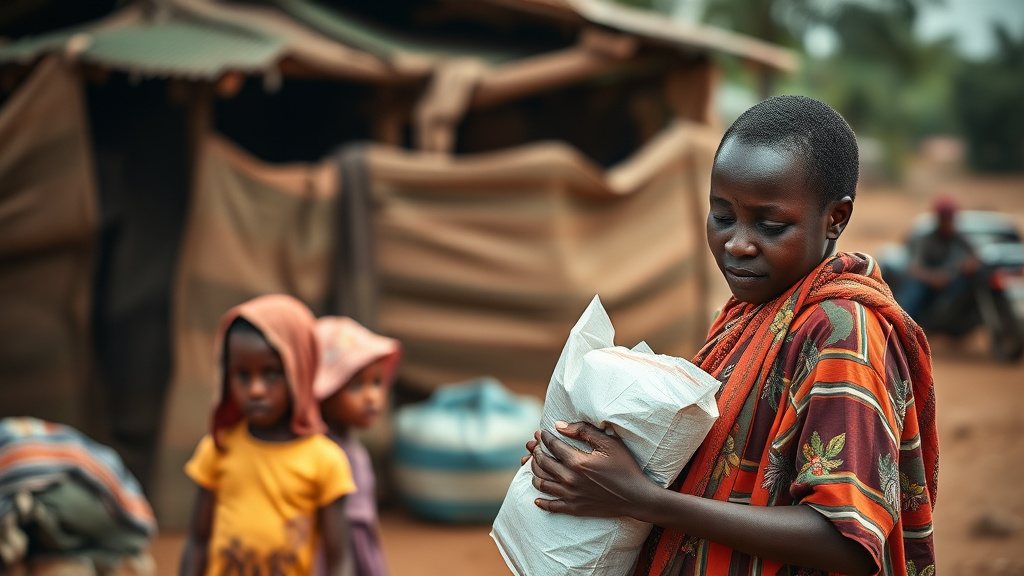
Sub-Saharan Africa faces an mounting humanitarian emergency as conflict, drought, and economic collapse converge to create unprecedented suffering. Millions face acute hunger, displacement, and lack of basic medical care, pushing fragile health systems to the brink of collapse. This article analyzes the deepening crisis across the region, assesses its root causes, and highlights why swift coordinated support and coordinated intervention are vital to preventing further destruction and preserving countless lives.
Current State of the Situation
Sub-Saharan Africa is experiencing an unprecedented humanitarian crisis that requires swift global attention. Over 280 million people across the region face severe food insecurity, with malnutrition rates climbing to alarming levels among children and vulnerable populations. The convergence of armed conflicts, severe droughts, and economic instability has triggered a catastrophic situation, straining already strained healthcare and social support systems. Record numbers of displacement have hit record numbers, with millions fleeing their homes in pursuit of safety and basic survival necessities.
The humanitarian toll goes far beyond displacement and hunger, influencing nearly every aspect of human welfare. Epidemic outbreaks, including cholera and measles, propagate quickly through overcrowded displacement camps without proper sanitation and access to clean water. psychological health emergencies are escalating as communities endure prolonged trauma and loss. Medical facilities contend with acute shortages of healthcare supplies, qualified staff, and functioning infrastructure, forcing difficult triage decisions that cause many people without vital care and medical services.
Economic breakdown has crippled livelihoods in the region, pushing families deeper into poverty and desperation. Devalued currency, rising prices, and broken supply chains make essential goods out of reach for average people. Farm output has plummeted due to fighting and environmental crises, eliminating traditional income sources for farming communities. Without swift intervention and continued international aid, forecasts show the crisis will worsen significantly, potentially affecting hundreds of millions more people across Sub-Saharan Africa.
Underlying Causes and Contributing Factors
The humanitarian crisis in Sub-Saharan Africa stems from interconnected systemic challenges that have accumulated over decades. Extended droughts and climate shifts have undermined farm output, rendering rural communities incapable of supporting themselves. Simultaneously, ongoing conflicts and political unrest have displaced millions, interrupting food supply chains and overwhelming available resources. Economic mismanagement and limited infrastructure intensify these weaknesses, hindering effective disaster response and recovery mechanisms across the region.
Weak governance structures and limited international investment have established conditions where populations remain deeply susceptible to emergency events. Healthcare systems suffer from a shortage of proper financial support and trained workers, making disease outbreaks particularly devastating in war-affected regions. Additionally, cycles of poverty maintain malnutrition and hinder communities from developing resistance against environmental shocks. These overlapping issues create a dangerous combination where at-risk communities face concurrent risks to their survival, requiring comprehensive and urgent aid efforts to end the cycle of desperation.
Global Response and Support Efforts
The international community has mobilized significant resources to tackle the humanitarian emergency in Sub-Saharan Africa, acknowledging the scale and urgency of the crisis. International organizations, government donors, and non-governmental organizations have initiated joint relief efforts to deliver emergency relief, including food aid, healthcare resources, and shelter. However, funding gaps persist significant, with many appeals only partially met. Sustained commitment and greater funding support from wealthy countries are essential to scale up operations and reach at-risk communities across impacted areas.
- United Nations agencies providing critical food and healthcare support
- World Health Organization supporting disease prevention programs
- Red Cross providing humanitarian aid and emergency relief
- Aid from developed countries financing rebuilding projects
- NGOs creating mobile clinics and water sanitation facilities
Despite these efforts, supply chain obstacles and safety issues continue to hamper aid delivery in conflict-affected areas. Distribution network breakdowns, limited infrastructure, and constrained accessibility obstruct the delivery of humanitarian assistance to the most vulnerable populations. Collaboration among various agencies is essential to avoid duplication and improve outcomes. Strengthened diplomatic efforts, investment in local capacity building, and long-term development strategies are necessary to tackle underlying issues and develop adaptive capacity in communities in crisis for enduring reconstruction.
