
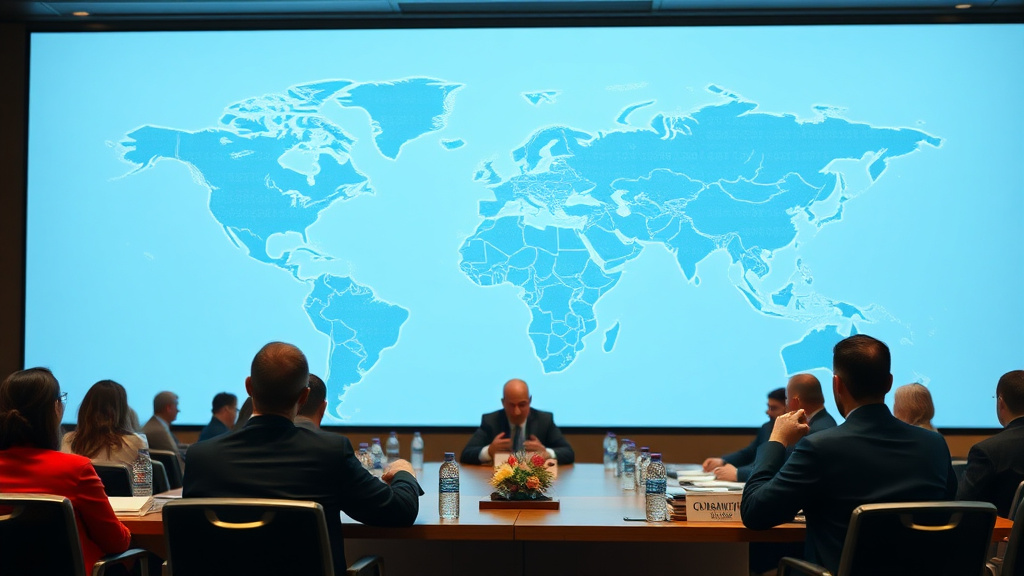
After months of intensive negotiations involving nations worldwide, international representatives have achieved a pivotal breakthrough in establishing a comprehensive multilateral commercial accord. This groundbreaking accord is poised to transform global commerce by lowering trade barriers, aligning regulatory frameworks, and encouraging collaborative growth among signatory states. As regional disputes threaten to fragment international markets, this achievement signals a breakthrough in unity. Explore how this agreement addresses contentious issues, which nations spearheaded the effort, and what effects it will have for firms and buyers globally.
Major Advances in Trade Talks
The negotiation teams have reached agreement on several contentious issues that previously stalled progress, including agricultural subsidies, intellectual property protections, and digital trade standards. Representatives from over 150 nations gathered in Geneva last week to develop protocols addressing these critical sectors. The progress occurred after intensive bilateral discussions and calculated concessions from major economic powers, demonstrating unprecedented commitment to multilateral cooperation. This collaborative approach has restored confidence among involved nations and observers who anticipated further deadlock.
Major concessions were made regarding schedules for reducing tariffs, with industrialized countries accepting faster implementation schedules for market entry in growth markets. Labor and environmental protections have been reinforced through mandatory provisions, tackling concerns from non-governmental organizations. The deal includes advanced dispute settlement systems intended to prevent future trade conflicts and guarantee adherence. These changes show a middle-ground strategy that protects vulnerable industries while advancing competitive fairness and sustainable economic growth across all member states.
Strategic Framework and Objectives
The international accord establishes a detailed system meant to support frictionless trading across signatory states while addressing contemporary economic challenges. Key aims include reducing tariff barriers by an roughly 15-20%, standardizing technical specifications, and establishing clear conflict resolution processes. The agreement emphasizes long-term growth, digital commerce modernization, and supply chain resilience. By setting firm guidelines and binding obligations, negotiators aimed to build stability in global markets while protecting vulnerable industries through gradual implementation timelines and transition support mechanisms.
Economic Consequences Analysis
Economic modeling points to the agreement could expand global GDP by 2-3% over the coming ten years, with emerging economies potentially experiencing higher growth rates. Early studies indicate significant expansion opportunities in technology, agriculture, and manufacturing sectors. Trade volume projections estimate a 25% rise in cross-border transactions among participating nations. However, some established sectors face transition challenges requiring workforce retraining and updated infrastructure spending to stay viable in the liberalized marketplace.
Sectoral impacts vary considerably across economies and regions. Export-dependent nations project considerable revenue increases, while import-competing industries express concerns about market penetration. Financial services, telecommunications, and renewable energy sectors represent major beneficiaries. Consumer goods prices are projected to fall due to reduced tariffs and greater competitive intensity. Regional disparities in implementation capacity necessitate focused support programs and technical assistance efforts to promote equitable distribution of benefits across participating nations.
Stakeholder Positions and Concerns
Labor unions express worry regarding possible employment displacement in manufacturing and agriculture sectors, pushing for robust transition assistance programs and wage protection mechanisms. Environmental advocates endorse sustainability provisions but call for tougher enforcement mechanisms and climate pledges. Agricultural lobbies offer mixed responses—large exporters welcome better market opportunities while small farmers worry about competition from overseas producers with subsidies. Pharmaceutical and technology companies back intellectual property safeguards, whereas developing nations push for accessible pharmaceuticals and knowledge-sharing provisions supporting their populations.
Small and medium enterprises voice worries about regulatory expenses and complex regulatory requirements, seeking capacity-building support and streamlined processes. Advocacy consumer groups embrace price reduction prospects but demand safety and quality standard preservation. Emerging economies stress knowledge transfer provisions and financial assistance for infrastructure development. Labor unions internationally call for employment standard enforcement preventing pay competition races. Government officials balance internal political pressures against global obligations, seeking implementation flexibility while maintaining agreement credibility and sustained partnership viability.
Prospective Implications and Next Steps
The international agreement establishes a strong framework for ongoing economic collaboration, with signatory states committing to phased implementation over the next 5-year period. This schedule allows businesses proper readiness while ensuring compliance with fresh regulations. Economists project substantial economic expansion across signatory nations, with specific advantages for smaller businesses securing expanded market access. The agreement also introduces mechanisms for addressing disagreements to handle possible disputes, reinforcing the foundation for sustained commercial predictability and predictability in international commerce.
Looking ahead, negotiators have scheduled quarterly review meetings to track implementation advancement and handle developing issues. Upcoming talks will focus on broadening the agreement’s reach to include digital trade and sustainability measures. Countries are also exploring supplementary bilateral agreements to enhance targeted trade connections. This cooperative strategy reflects a commitment to continuous improvement, guaranteeing the framework progresses in step with worldwide economic conditions and technological progress while upholding the agreement reached in these vital talks.
