
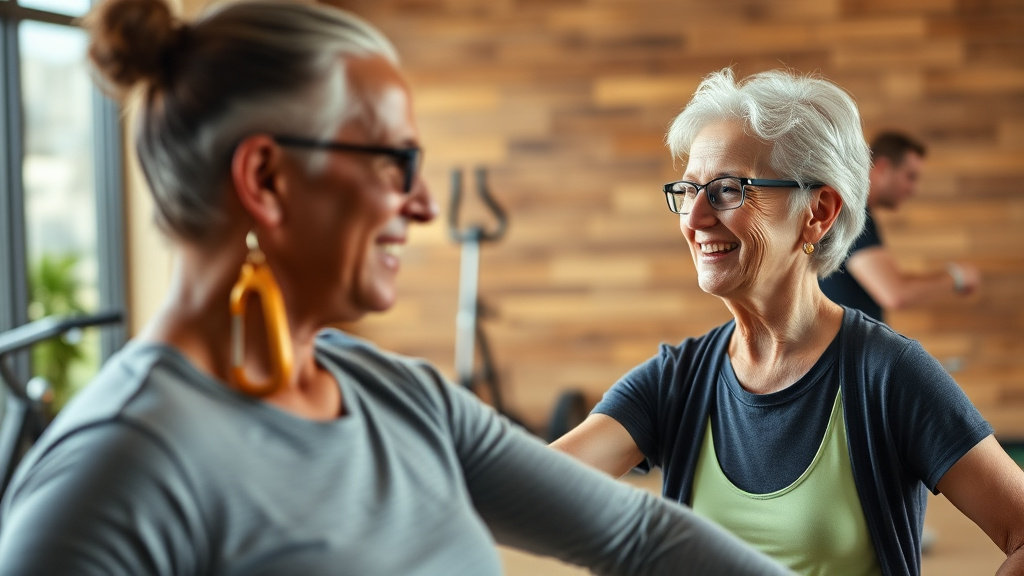
As we grow older, sustaining bodily vigor becomes ever more important for maintaining autonomy and life satisfaction. Recent research demonstrates that exercise routines tailored for aging populations can dramatically enhance strength, mobility, and functional abilities. This article investigates research-backed exercise programs tailored to meet the particular demands of aging individuals, showing how targeted physical activity can reduce fall risk, enhance stability, and allow seniors to stay independent and active in their everyday routines.
Benefits of Tailored Fitness routines for Seniors
Personalized workout programs designed specifically for seniors deliver remarkable improvements in bodily health and functional capacity. These personalized programs target aging-related shifts in muscular strength, skeletal strength, and aerobic capacity, enabling older adults to preserve strength and endurance. Evidence indicates that aging individuals adhering to customized fitness programs achieve better balance, better mobility, and lower incidence of long-term conditions. Additionally, these programs boost confidence and psychological wellness, allowing seniors to participate more fully in everyday tasks with greater ease and security.
Beyond physical benefits, tailored exercise routines significantly enhance independence and quality of life for seniors. By strengthening core muscles and improving coordination, these programs lower the risk of falls and associated injuries that often lead to loss of autonomy. Seniors who engage in customized fitness regimens report higher energy, improved sleep, and better brain function. Furthermore, group fitness sessions build social bonds and community engagement, reducing loneliness while promoting emotional wellness and long-term health sustainability for older populations.
Key Elements of Successful Senior Exercise Routines
Carefully structured senior exercise routines combine various physical activity to address the varied health needs of older populations. These well-rounded initiatives incorporate strength training, flexibility work, balance exercises, and aerobic fitness to establish a well-rounded fitness approach. By including these key elements, older adults can enhance physical gains, reduce injury risk, and preserve the physical capabilities required for independent living and sustaining an active lifestyle.
Strength Training and Flexibility Work
Resistance exercise forms the cornerstone of senior fitness programs by combating age-related muscle loss, a condition known as sarcopenia. Regular resistance exercises with light weights, elastic bands, or body weight movements support muscle mass, bone density, and metabolic function. This greater muscular strength enables improved ability to perform daily activities like climbing stairs, transporting shopping bags, and standing up from seated positions, significantly enhancing overall independence and decreasing fall-related injuries in older populations.
Stretching and flexibility exercises are equally vital for maintaining joint mobility and preventing stiffness that commonly accompanies aging. Gentle yoga, tai chi, and consistent stretching practices improve range of motion, decrease muscle tension, and improve posture. These routines encourage relaxation and mental well-being, contributing to a whole-person approach to older adult health that tackles both physical fitness and mental health for significant improvements in quality of life.
- Elastic bands provide customizable workout choices safely.
- Light dumbbells develop strength without excessive joint stress.
- Bodyweight exercises improve functional strength and balance.
- Yoga increases flexibility and encourages conscious motion practices.
- Regular stretching maintain range of motion and prevent stiffness.
Establishing and Sustaining Long-Term Exercise Results
Building a long-lasting fitness program demands dedication, but the long-term benefits for older adults are substantial. Success begins with establishing achievable goals and progressively boosting effort as time goes on. Working with healthcare providers or qualified trainers guarantees exercises are suitable for personal health needs and ability levels. Consistency matters more than intensity—consistent, moderate exercise done 3-5 times weekly yields superior outcomes than sporadic intense workouts. Tracking progress through basic measurements like distance walked or exercises completed provides motivation and accountability, enabling seniors stay engaged with their fitness journey.
Preserving motivation over extended periods necessitates diverse activities and social connection. Group exercise classes, community walks, or home workout partners establish responsibility and transform exercise into something enjoyable rather than burdensome. Acknowledging achievements, whether restoring the ability to use stairs or walking longer distances, solidifies beneficial lifestyle shifts. Modifying workouts as physical condition strengthens avoids monotony and ongoing improvement. Additionally, combining physical exercise with proper nutrition, adequate sleep, and stress management establishes comprehensive wellness to age-related wellness, guaranteeing older adults can sustain independence and vitality throughout their advanced years.
