
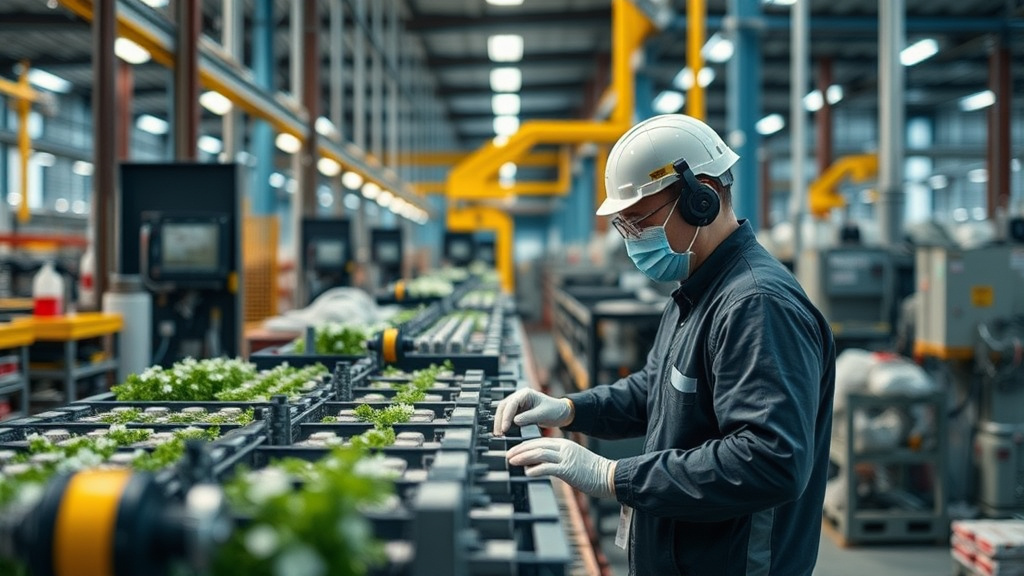
As ecological pressures grow stronger and customer interest for sustainable goods accelerates, international manufacturers are fundamentally transforming their manufacturing approaches. From lowering greenhouse gas output to cutting waste generation, industry leaders are investing in sustainable technologies and practices that deliver both environmental benefits and long-term profitability. This article examines how major manufacturers are transforming their processes, the challenges they face in this shift, and the innovative solutions driving the movement toward a more sustainable manufacturing landscape.
The Growth of Green Industrial Practices
The industrial manufacturing is undergoing a significant change as companies recognize the essential role of sustainability in their operations. Driven by stringent environmental regulations, financial stakeholder pressure, and evolving market preferences, manufacturers globally are reimagining their production processes. This transformation represents beyond mere compliance—it demonstrates a strategic recognition that sustainability initiatives can improve efficiency, lower expenses, and enhance brand standing. Leading companies are investing billions in environmentally friendly innovations, clean energy alternatives, and circular economy models that lessen ecological consequences while preserving market competitiveness in an more sustainability-focused international market.
Sustainability in production includes multiple dimensions, from responsibly sourcing raw materials to reducing energy use and managing waste streams effectively. Organizations are adopting cutting-edge technology such as AI, Internet of Things sensors, and automation to monitor and reduce their ecological impact. Beyond technological innovation, this movement requires fundamental changes in organizational culture, supply chain operations, and stakeholder involvement. As industry leaders demonstrate that sustainability and profitability are compatible goals, their success is inspiring widespread adoption across the industry of sustainable practices, generating momentum that is set to transform the manufacturing sector for years ahead.
Primary Factors Underlying the Change
The movement toward environmentally responsible production is shaped by multiple interconnected factors redefining the international manufacturing environment. Regulatory frameworks, consumer expectations, and competitive market dynamics are pushing manufacturers to focus on ecological accountability. Additionally, technological innovations in clean energy sources and waste reduction have enabled sustainable practices to be profitable, allowing businesses to lower operating expenses while meeting stakeholder demands for environmentally friendly operations.
Regulatory Requirements and Compliance
Governments in countries around the world are implementing more rigorous environmental regulations that require sustainable manufacturing practices. The European Union’s Circular Economy Action Plan, pricing mechanisms for carbon, and emissions trading schemes establish legal requirements for manufacturers to adopt cleaner production methods. Failure to comply results in major penalties, supply chain disruptions, and reputational damage, forcing companies to commit resources to sustainable infrastructure and processes to maintain market access and operational legitimacy.
International accords and national environmental policies establish clear sustainability benchmarks that companies must achieve. These compliance structures drive development of emissions reduction, disposal practices, and resource conservation. Companies that actively adapt with emerging regulations secure strategic benefits, landing state agreements and partnerships with environmentally conscious partners while preventing substantial fees and business limitations.
Consumer Demand and Market Pressure
Modern shoppers increasingly prefer eco-friendly products, shaping purchasing decisions and brand loyalty. Market research demonstrates that eco-conscious approaches improve brand reputation and customer engagement, particularly among younger demographics. Manufacturers addressing this demand tap into growing market segments, distinguish themselves against competitors, and establish deeper customer relationships through transparency about environmental commitments and sustainable product offerings.
Investors and financial institutions are favoring sustainable companies, allocating investment to companies showing ecological accountability. This capital-driven incentive encourages producers to embrace environmentally conscious practices, as access to investment capital becomes tied to sustainability benchmarks. Companies embracing sustainability attract environmentally aware investors, enhance share values, and lock in competitive financing rates while gaining strategic advantage in an expanding eco-aware international economic landscape.
Implementation Strategies and Benefits
Manufacturing companies are adopting broad-based strategies to embed sustainability into their central operations. Key approaches involve allocating resources toward sustainable energy options, transitioning toward energy-efficient machinery, and introducing circular economy models that decrease waste output. Many organizations are also adopting efficient manufacturing practices and undertaking routine sustainability assessments to identify improvement opportunities. These strategies require substantial financial resources and staff training programs, yet companies understand that forward-thinking initiatives today prevent substantial regulatory penalties tomorrow while improving their market competitiveness.
The positive impacts of environmentally responsible manufacturing reach much further than environmental protection. Companies report significant financial savings through lower energy usage, reduced waste management costs, and better operational performance. Strengthened brand image appeals to environmentally conscious consumers and investors, while better workplace morale and retention follow from working for purpose-driven organizations. Additionally, eco-friendly initiatives often drive innovation in product development and process optimization, creating fresh market possibilities and income sources that counterbalance startup expenses, ultimately providing substantial ROI.
